
The House Always Wins? A Player's Guide to iGaming Reality
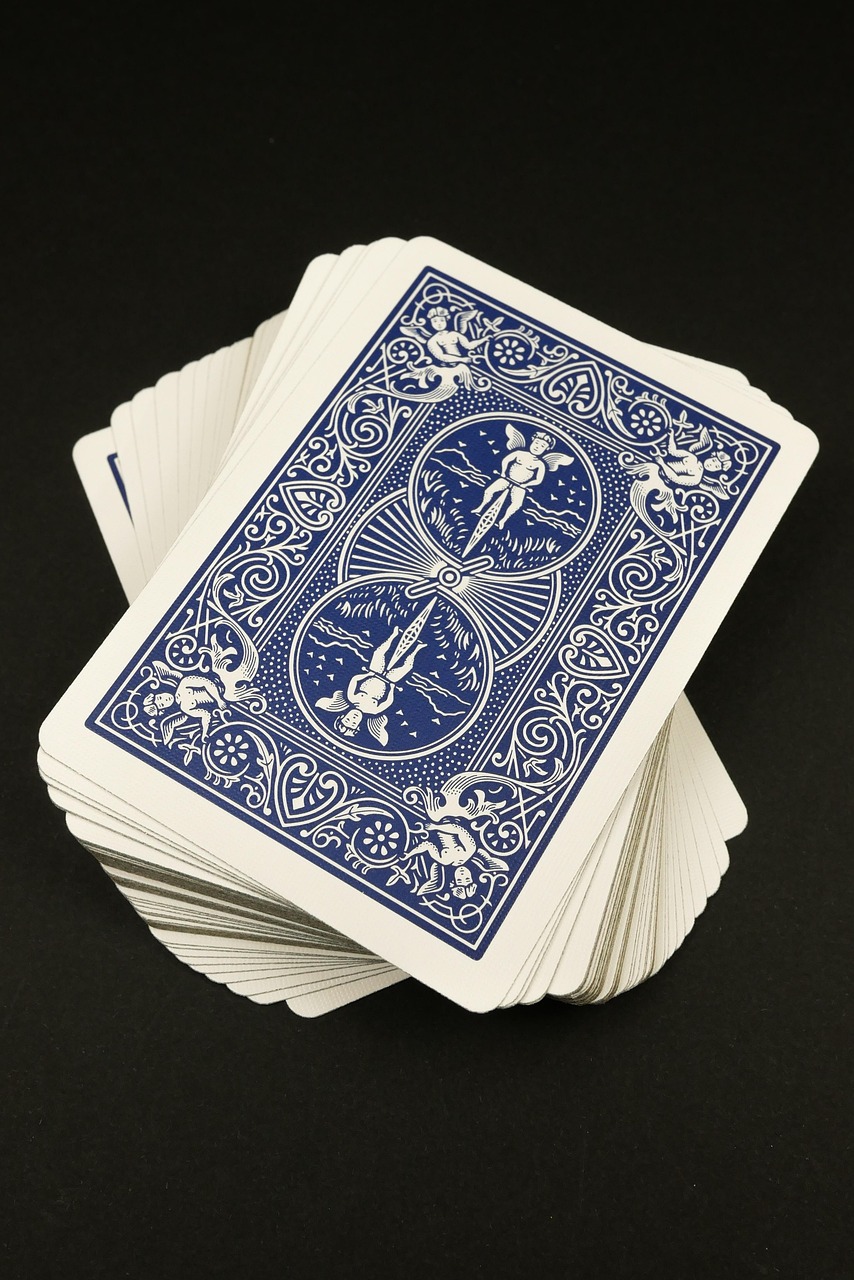
Let's cut through the noise. If you've spent any time in the iGaming world, you've heard the tired cliché that "the house always wins." And while that statement is technically true over infinite time, it's also a lazy oversimplification that ignores how casinos actually make money, how modern slots are engineered, and where a sharp player can actually find an edge. Whether you're spinning reels, sweating a parlay, or grinding a poker table, understanding the mechanics behind the curtain changes how you play — and more importantly, how you lose.
The Margin Myth: How Casinos Really Grind You Down
Every game you sit at has a built-in mathematical advantage for the operator, called the house edge. It's not a secret. It's not a trick. It's just arithmetic. But the size of that edge varies wildly, and that's where most players waste money without realizing it.
- Blackjack (basic strategy): roughly 0.5% house edge. One of the best bets in any casino.
- Baccarat (banker bet): about 1.06%, which is why high rollers flock to it.
- American roulette: 5.26% — more than ten times worse than blackjack.
- Slots (digital): typically 2% to 10%, depending on the machine and the stakes.
- Keno: often north of 25%. A genuine bankroll shredder.
See the problem? Plenty of players bounce from blackjack to roulette to keno thinking they're just "changing luck." In reality, they're switching from losing a dollar over 200 hands to losing a dollar over every four bets. Game selection is the single biggest lever most recreational players never touch.
What RTP Actually Means (And Why It's Not Your Friend)
You'll see Return to Player percentages plastered all over casino lobbies and game descriptions. A slot with 96% RTP sounds generous — you get 96 cents back for every dollar, right? Wrong. That 96% figure is calculated over millions of spins, not your session. You could hit 200% on a Tuesday and 60% on a Wednesday. The RTP is a machine-level long-term average, and your personal experience will swing far wider than that number suggests.
Where RTP does matter is comparison. A 96.5% slot is measurably better than a 92% slot if you're planning to play thousands of spins. High-volatility machines (think classic Megaways titles or big jackpot progressives) tend to pair lower RTPs with occasional huge payouts. Low-volatility games pay smaller and more often but test your patience. Knowing which personality suits your session is more useful than chasing the theoretical return.
Slots: Bonuses, Features, and the Volatility Trap
Modern video slots are far more sophisticated than the fruit machines your uncle played in the 90s. They have cascading reels, expanding wilds, reward respins, and buy-feature mechanics that let you skip straight to the bonus round for 100x your stake. That last one deserves caution.
Feature buys offer a fixed-price shortcut into the bonus round. Some players swear by them; many get burned. The math usually prices them at a slight premium, so unless you have inside information on the volatility curve (you likely don't), you're still buying into the same edge. Treat bonus buys as entertainment products, not value plays.
The bigger trap is volatility mismatch. If you deposit 50 credits and load a high-volatility slot with 20-credit spins, two bad pulls wipe you out before the bonus ever lands. Size your bet to the game's temperament. Low-volatility titles can handle longer sessions at moderate stakes; high-volatility monsters demand deeper pockets.
Sportsbooks and the Closing Line Value Mindset
Sports betting is different from casino games because there's no fixed house edge — the book sets a market price and adjusts as money comes in. That means an informed bettor can genuinely be profitable. The best handicap bettors don't obsess over individual wins and losses. They track whether they beat the closing line: if you bet a team at -3 and the line closes at -6, you got value regardless of the result. Anyone weighing up options should see สล็อต.
Vig matters too. -110 on both sides equals about a 4.5% theoretical hold for the book, but smart books charge -105 or even use reduced-juice models. Over a hundred bets, that 5-cent difference is real money. Shopping lines across multiple books is the simplest edge available to any recreational bettor.
Three habits that separate sharp bettors from everyone else:
- Line shopping. Never accept the first number you see. Half a point in football is often the difference between a win and a push.
- Bankroll discipline. One to two percent of bankroll per unit. No chasing, no "double or nothing" nonsense.
- Record keeping. If you don't track bets, you don't know if you're actually good. Feelings lie; spreadsheets don't.
Poker: The One Game Where Skill Beats the House
Poker is the outlier. The casino takes a rake or charges a seat fee, but unlike blackjack or slots, you're not playing against the house — you're playing against other people. That means a skilled player can achieve a positive expected value over thousands of hands. It's the only mainstream casino format where the money genuinely flows from weaker players to stronger ones.
But "skill" here doesn't mean knowing the hand rankings. It means understanding position, pot odds, range construction, bet sizing, and — crucially — psychological discipline. Cash games reward patience and aggression. Tournaments reward survival and situational awareness, but with massively higher variance. Expect to lose entire buy-ins in tournament play even when you're making textbook decisions; that's the format, not a flaw in your game.
Final Thoughts: Play the Player, Not the Dream
iGaming isn't evil, and it isn't a goldmine. It's an entertainment industry built on carefully engineered math. The players who consistently enjoy it — and occasionally beat it — treat every game as a decision-making puzzle rather than a lottery ticket. They pick their spots, avoid the keno pit of despair, and never chase losses past the point of reason.
If there's one takeaway worth tattooing on your brain, it's this: the house edge can't be eliminated, but it can be minimized in almost every game you touch. Choose low-edge games, shop your lines, size your bets to match your bankroll, and stay ruthlessly honest about whether you're playing for fun or for profit. Accept that you'll lose most sessions, enjoy the ones you win, and never let the reels dictate your rent money.


Combine peppery leaves, radishes, herbs and soft cheese for fresh midday meals that make the most of shorter growing windows.
Master the creaming method, weigh eggs accurately and sandwich light sponge cakes with jam and whipped cream for afternoon tea.
Learn how to revive a sluggish starter, adjust hydration and recognise when it is ready to leaven a reliable everyday loaf.
Rub cold butter into flour, add just enough water and rest the dough before lining tins for crisp golden pastry cases.