
A Guide to Cooking with Autumn Squash and Pumpkins
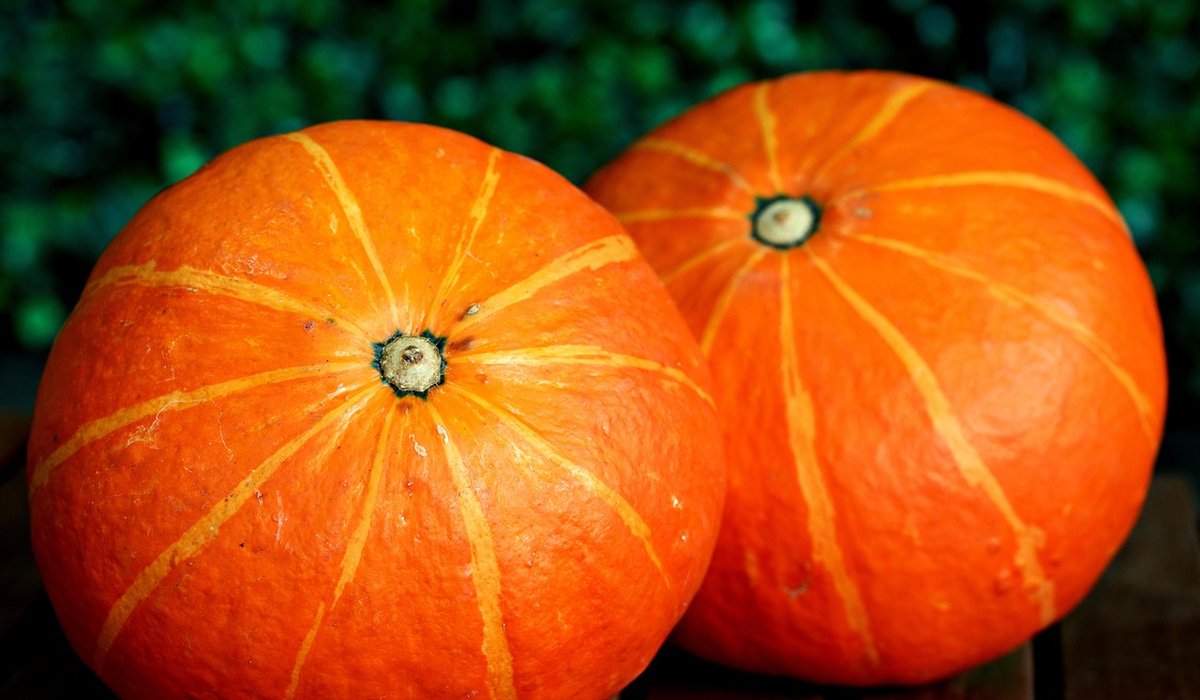
Why British Squash Deserves a Place in Your Kitchen
By October, the farm shops and market stalls are piled high with squash in every shade of orange, green and buff. These are proper British crops, harvested from late summer right through to the first hard frosts, and they keep beautifully in a cool shed or a garage corner for weeks. That long storage life is the reason they carry so much of our winter cooking: a squash on the shelf is a hot dinner waiting to happen on a wet Tuesday.
What makes them so useful is their sweetness. Roasting concentrates the natural sugars and gives you a deep, almost caramel flavour that works in soups, curries, traybakes and even on toast. Pumpkins and squash are forgiving too. They take strong spices, they soak up cream and stock, and they freeze well once cooked. If you are new to them, start with a butternut or an onion squash, both of which are easy to peel and reliably sweet.
Choosing and Storing Your Squash
A good squash feels heavy for its size and sounds hollow when you tap it. The skin should be firm enough that your thumbnail barely marks it — a soft patch means it is already on the way out. Smaller varieties are usually sweeter and less watery than the giant carving pumpkins, which are bred for lanterns rather than for eating. Look out for Crown Prince, with its blue-grey skin and dense orange flesh; Delica, a small green kabocha type with a chestnut flavour; and Harlequin, a striped squashed that roasts beautifully in wedges.
To store, keep whole squash somewhere cool, dark and dry — around 10–15°C is ideal. A garage, pantry or unheated porch works well. Do not put them in the fridge, as the cold turns the flesh grainy. Once cut, wrap the remainder tightly and use it within four or five days.
- Heavy for its size — that means good moisture and dense flesh.
- Intact stalk — a dry, corky stem keeps the inside fresh.
- No soft spots — check the base, where squash often start to go over.
Roasting: The Skill That Unlocks Everything Else
If you learn one thing about squash, make it roasting. Heat the oven to 200°C (180°C fan, gas mark 6). Halve the squash, scoop out the seeds with a sturdy spoon, then cut into wedges or 3cm cubes. Toss with a generous glug of rapeseed or olive oil, a good pinch of flaky salt and plenty of black pepper. Spread them out in a single layer — crowd the tin and they will steam rather than caramelise.
Roast for 30–40 minutes for cubes, 45–55 minutes for larger wedges, turning once or twice until the edges are browned and a knife slides in with no resistance. A few whole unpeeled garlic cloves and sprigs of thyme or rosemary thrown in at the start will perfume the whole tin. This is your base for everything that follows: eat it hot with sausages, fold it into pasta, or cool it and keep it in the fridge for the week.
Warming Soups and Silky Purées
For a soup that tastes of more than just squash, build a base first. Soften a chopped onion and a couple of carrots in butter or oil over a low heat for ten minutes, add two crushed garlic cloves and a teaspoon each of ground cumin and coriander, then tip in your roasted squash. Pour over enough vegetable or chicken stock to just cover, simmer for fifteen minutes, and blend until completely smooth.
Two details make the difference. First, roast the squash before it goes in the pot — it doubles the depth of flavour. Second, finish with a little cream, crème fraîche or a swirl of brown butter, plus a squeeze of lemon or a splash of cider vinegar. That acidity lifts the sweetness and stops the soup tasting flat. The same purée, without the stock, freezes in portions and makes a fine base for risotto, pasta sauce or a squash mash to serve with roast pork.
Curries, Traybakes and Everyday Dinners
Squash holds its shape well enough for curries if you cut it into decent chunks and do not stir it too much. Fry onion, ginger, garlic and a spoonful of curry paste or your own toasted spices, add the squash, a tin of coconut milk and a splash of stock, then simmer gently for 20 minutes until tender. Spinach or frozen peas stirred through at the end add colour and bulk.
For a hands-off supper, try a traybake: chunks of squash, red onion, peppers and a tin of chickpeas, tossed with oil, smoked paprika, cumin and a pinch of chilli, roasted at 200°C for 35 minutes. Crumble over feta for the last ten minutes. Serve with flatbreads or couscous. Leftover roasted squash also makes an excellent filling for a savoury tart or a topping for a simple macaroni cheese.
Seeds, Skin and Zero Waste
Do not bin the seeds. Rinse them free of stringy pulp, pat dry, toss with a little oil and salt, and roast at 160°C for 12–15 minutes until they puff and turn golden. They are excellent scattered over soups, salads or a squash curry. Smaller squash skins — kabocha and Delica in particular — are perfectly edible once roasted, so leave them on for wedges and save yourself the peeling.
Any cooked squash that is looking tired can be mashed into a quick bread, folded into scones, or stirred through a risotto with sage and Parmesan. Store cooked squash in the fridge for up to four days, or freeze it in bags flattened for quick thawing. Waste nothing, and the autumn glut will feed you right through to spring.


Master the creaming method, weigh eggs accurately and sandwich light sponge cakes with jam and whipped cream for afternoon tea.
Learn how to revive a sluggish starter, adjust hydration and recognise when it is ready to leaven a reliable everyday loaf.
Rub cold butter into flour, add just enough water and rest the dough before lining tins for crisp golden pastry cases.
Cook a large pan of rich mince sauce, cool it quickly and freeze portions for pasta bakes, jacket potatoes and quick suppers.