
Slot Volatility Explained: Why 'Hot' Machines Don't Exist
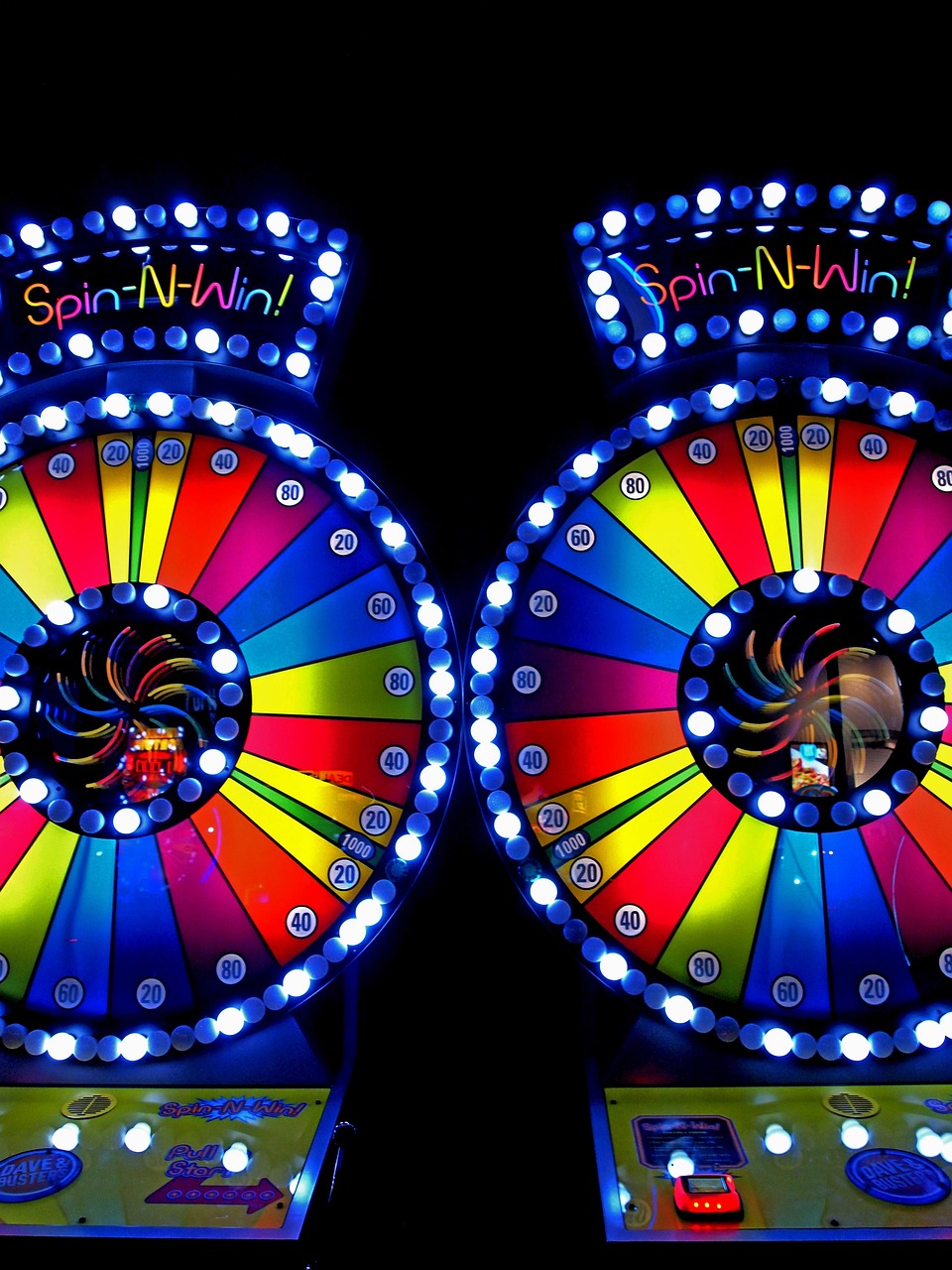
Every gambler has a story about the machine that "always pays out" or the table that went cold the second they sat down. It feels real because our brains are pattern-hunters, and a slot machine screen is a flashing, dopamine-soaked canvas for imaginary patterns. But here's the uncomfortable truth most casino floors never spell out loud: there is no such thing as a hot or cold slot. There is only volatility, math, and the stories we tell ourselves while the reels keep spinning.
Understanding this doesn't take the fun out of the game. If anything, it makes you a sharper player. So let's get into what's actually happening under the glass. สล็อต offers a practical breakdown of the topic.
RTP, House Edge, and the Numbers Nobody Reads
Every licensed slot carries a Return to Player percentage, or RTP. A game with 96% RTP returns, on average, $96 for every $100 wagered over millions of spins. That 4% gap is the house edge, and it's how the casino keeps the lights on. Here's where people trip up: RTP is not a promise of what you'll get back tonight. It's a long-run statistical average calculated across an enormous number of spins, often tens of millions. Your session is statistically invisible within that sample.
A concrete example: two players each load $500 into a 96% RTP slot and spin for an hour. One walks away with $1,200. The other leaves with $180. Same machine, same paytable, same RTP. That difference is variance, and variance is the engine behind every "this game is rigged" theory you've ever heard at the bar.
A useful data point: land-based slots in many U.S. jurisdictions sit around 85–92% RTP, while online casino slots published by regulated European operators often run 94–97%. If RTP matters to you, the numbers are usually right there in the game's help screen. Read them.
Volatility: The Real Reason Your Spins Feel Random
If RTP is the destination, volatility is the road quality on the way there. Low volatility slots pay smaller amounts more frequently—think a steady drip of 1x or 2x your bet. High volatility slots pay rarely and brutally, but the wins can be 5,000x or more. Both can have identical RTP.
- Low volatility: frequent small wins, slow bankroll drain, good for grinder sessions.
- Medium volatility: the balanced middle ground most casual players gravitate toward.
- High volatility: long droughts, huge potential, bankroll-devouring if you're underfunded.
This is why two slots side by side can feel completely different. A player chasing a 10,000x jackpot on a high-volatility game and then sitting at a low-volatility fruit machine might assume the first is "broken." It isn't broken—it's just a different statistical personality. Choose your volatility to match your intent. Want a 90-minute session on $100? Low volatility, not a Megaways monster.
Random Number Generators and Why Patterns Are an Illusion
Modern slots don't have moods, streaks, or grudges. They run on Random Number Generators, or RNGs, which fire thousands of outcomes per second, whether anyone is playing or not. Every spin is a completely independent event. The machine does not "know" that it hasn't paid in 400 spins and is therefore due. It does not know you just walked up after someone else lost their rent money. It has no memory.
This is called gambler's fallacy: the mistaken belief that past results influence future independent events. Someone flipping a coin can land heads eight times in a row. The next flip is still 50/50, no matter how urgent the streak feels. Slot machines are that coin, dressed up with sound design and animation that makes twelve straight losing spins feel like the game is teasing you. It's just math wearing a costume.
RTP and RNG compliance are independently audited in regulated markets—eCOGRA, GLI, iTech Labs and similar bodies handle this. So yes, a licensed slot is genuinely random. An unlicensed rigged app from a Telegram group is a different conversation entirely, and one worth exiting immediately.
Poker and Betting: Overlap and Differences Worth Knowing
If slots are pure RNG, poker is the opposite sport entirely—but it's played in the same venues. Skill dominates poker results over the long run. A strong player with a 5bb/100 win rate will grind profits quarter after quarter, while a losing player's variance will masquerade as talent for months. Bankroll management in poker means a minimum of 20–30 buy-ins for cash games and 50–100 buy-ins for tournaments, precisely to survive the swings that would crush an underfunded player.
Sports betting sits somewhere between. Beating the closing line consistently is the closest thing to a proof of skill, though the margin is smaller than most bettors want to admit. Line shopping across 3–4 books can realistically add 2–4% to your expected return. That's boring discipline disguised as edge, and it's the only version of "systems" that actually survives scrutiny.
So when someone tells you their "slot strategy" or "poker system" that never fails, ask one question: is it accounting for variance, or is it pretending variance doesn't exist?
How to Actually Get More Value From Your Sessions
You can't beat the RNG, but you can absolutely manage how it runs against you. Start here:
- Check the RTP before you spin. A 2% difference over 500 spins matters more than any "gut feeling."
- Match volatility to bankroll. If your session budget is $50, avoid high-volatility slots that eat $1 spins like popcorn.
- Use autoplay cautiously. It's the fastest way to stop thinking about your budget.
- Take bonuses that make sense. A 100% match with 40x wagering barely moves the needle; an RTP boost or cashback with 10x is genuinely valuable.
- Stop chasing losses. The machine doesn't owe you anything. It never did.
- Treat casino spend as entertainment, not investment. Budget it before you log in, and when it's gone, it's gone.
One more thing worth internalizing: loyalty schemes, jackpot contributions, and progressive networks rarely change the underlying RTP of the base game in your favor. A jackpot slot with a 92% base RTP doesn't suddenly become a 100% game because the pool hit €5 million. The pool is funded by players, for players—your expected return is still calculated on the game's mathematical model.
Where players do find genuine value is in cashback offers, free spin bundles, and rakeback-style loyalty structures tied to real wagering volume. Read the terms. If a 15x wagering requirement isn't written in plain sight, assume it's 40x or worse.
The Bottom Line After All That
There's a strange freedom in accepting that the reels are indifferent to you. It kills the myth of the hot machine, the personal grudge, the ritualistic rubber-band-on-the-slot excuse. What's left is a game with known odds, designed to be enjoyable if you respect the math and painful if you don't. Play the slots you enjoy, choose volatility that fits your night, keep poker bankroll discipline if you're serious about cards, and line-shop if you're betting sports. The house edge is real—but so is your ability to control exposure to it.
The story isn't about beating the game. It's about playing it long enough, and smart enough, to walk away with more of yourself intact than most.


Combine peppery leaves, radishes, herbs and soft cheese for fresh midday meals that make the most of shorter growing windows.
Master the creaming method, weigh eggs accurately and sandwich light sponge cakes with jam and whipped cream for afternoon tea.
Learn how to revive a sluggish starter, adjust hydration and recognise when it is ready to leaven a reliable everyday loaf.
Rub cold butter into flour, add just enough water and rest the dough before lining tins for crisp golden pastry cases.