
Making a Simple Spice Rub for Roast Meats
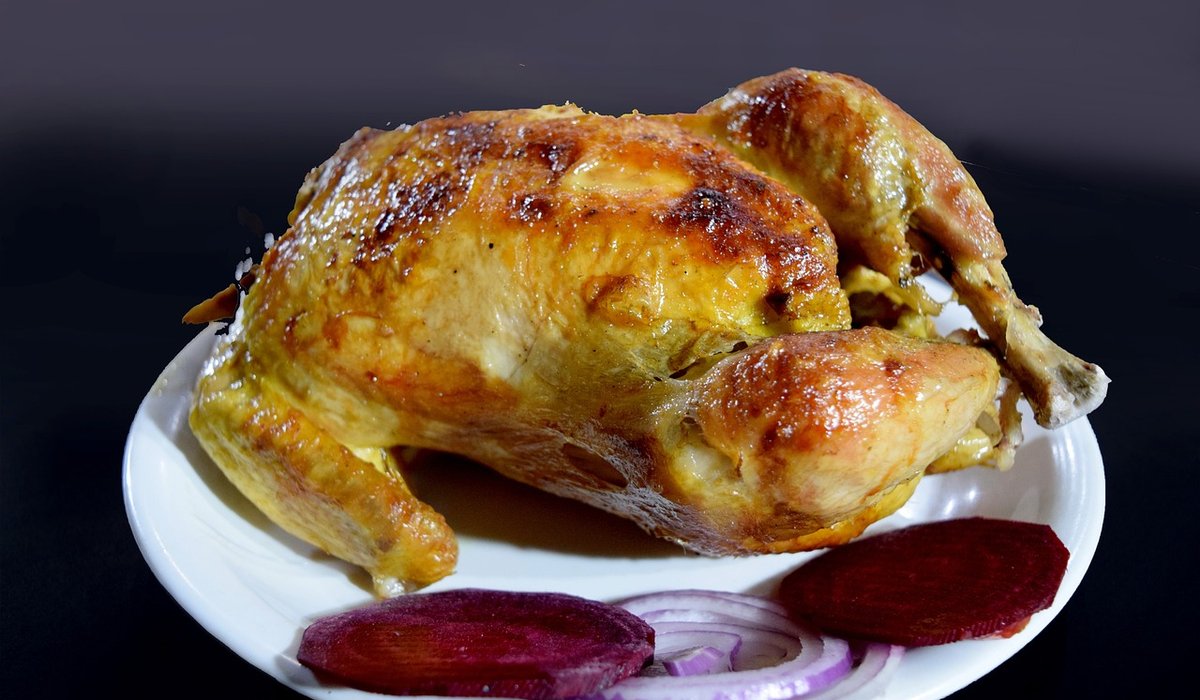
A rub that earns its keep
Every cook needs one reliable thing they can do to a piece of meat that makes it taste like they made an effort. A simple spice rub is that thing. It takes four minutes, uses four ingredients you probably already own, and turns a plain chicken thigh or a pork chop into something with a deep, savoury crust and a warm, rounded flavour.
This is not a fancy barbecue rub with fifteen components. It is the everyday version — the one you can knock together on a Tuesday while the oven heats, and the one worth memorising so you never have to look it up again. Once you have it in your head, you will start using it on roast vegetables too, and that is exactly the point.
What each ingredient is doing there
Four ingredients, four jobs. Understanding the jobs makes the whole thing easier to adjust later.
- Paprika — colour and a soft, sweet, slightly fruity depth. Sweet paprika is what you want as the base; smoked paprika is wonderful but assertive, so use it as half the quantity at most. Old paprika fades to a dull brown, so if yours has been in the cupboard since a previous decade, buy a fresh jar.
- Ground cumin — the warm, earthy backbone. It is what makes the rub taste like a rub rather than a random dusting of pepper. It also stands up well to long roasting, which paprika alone does not.
- Black pepper — heat and bite, and a bit of grip on the surface of the meat. Grind it fresh; pre-ground pepper is mostly dust and tastes of very little.
- Soft light brown sugar — the crust-maker. Sugar caramelises and helps the surface colour and crisp, and it rounds off the sharper edges of the spices without making anything taste sweet.
Salt is the fifth thing and it is not optional. Use flaky sea salt, or a good coarse salt, and taste as you go.
The basic mix
This makes enough for roughly four generous helpings of meat, or a large tray of vegetables. Double it and keep the extra in a jar.
- 2 tablespoons sweet paprika
- 2 teaspoons ground cumin
- 1 teaspoon freshly ground black pepper
- 1 tablespoon soft light brown sugar
- 2 teaspoons flaky salt
Tip everything into a small bowl and stir with a fork until it is an even, rust-red colour with no lumps of sugar left. That is it. If you are using it straight away, add a tablespoon of oil to the bowl and stir it into a loose paste — this helps it cling to the meat and stops the spices scorching before the meat has browned.
Chicken and pork: how much and how long
As a rule, use about one tablespoon of dry rub per 500g of meat. Four chicken thighs take a tablespoon; a whole chicken takes two, rubbed all over and pushed a little under the skin of the breast. A pork loin joint or a rack of ribs wants three.
Pat the meat dry first — a wet surface steams and the rub slides off. Rub a little oil over the meat, then work the spice mix in with your fingers, getting into the crevices and any scored skin. Let it sit for twenty minutes while the oven comes up to temperature. If you want to leave it longer, cover it and put it in the fridge, but go easy on the salt if you are leaving it overnight, as salt draws moisture out and can make the surface watery.
Roast vegetables and other everyday uses
Root vegetables love this rub. Cut carrots, parsnips, swede or squash into chunks, toss them in a roasting tin with a good glug of oil and a teaspoon or two of the mix, and roast at 200°C (180°C fan, gas mark 6) until the edges catch and darken. The sugar helps them caramelise beautifully.
Cauliflower florets, halved sprouts and wedges of hispi cabbage all work the same way. It is also very good stirred into a few tablespoons of yoghurt with a squeeze of lemon for a quick dip, or sprinkled over halloumi before it goes under the grill.
Getting a proper crust
The sugar is your friend and your enemy. It gives you that dark, crisp edge, but above about 200°C it will burn before the meat is cooked. For chicken pieces and chops, roast at 190–200°C (170–180°C fan) and keep an eye on things. For a whole chicken, start at 200°C for twenty minutes to get the colour going, then drop to 180°C to finish.
Give everything room in the tin. Crowded meat releases steam, and steam is the opposite of crust. If the surface starts catching before the middle is done, lay a piece of foil loosely over the top rather than turning the oven down.
Finally, rest. Ten minutes for chops and thighs, twenty for a whole bird or a joint. The rub keeps working while the juices settle back into the meat, and the crust stays crisp rather than going soft.
Keeping it and ringing the changes
Stored in a small airtight jar in a cool, dark cupboard, the dry mix keeps its punch for about three months. Write the date on the jar if you are the sort of cook who forgets; most of us are.
Once the basic version is second nature, start adjusting. A teaspoon of garlic granules or onion granules adds savoury depth. A pinch of cayenne gives heat. A quarter teaspoon of ground cinnamon, no more, is a lovely thing on pork. Ground coriander lightens the whole mix and suits chicken especially well. Make it your own, and make it often — a jar of this on the shelf is the difference between a plain roast and a proper one.


Discover how fan, conventional and grill settings behave, and where to place trays for even browning and reliable baking results.
Cook equal weights of butter and flour to create a smooth thickener, then whisk in milk or stock for glossy sauces.
Steam, grill or shave raw spears into salads, and learn simple ways to celebrate this brief spring crop without overcooking it.
Roast, purée or add to warming soups and curries, using British-grown squash for comforting meals as the evenings draw in.